Remember, remember the 5th November! If you think your dog may need prescription medication, please contact us by mid-October.
This article was reviewed by Katie, our Registered Veterinary Nurse at Aldgate Vets. She has a keen interest in canine behaviour and holds a Diploma in Companion Animal Behaviour Counselling. Katie supports our clients with behaviour queries and common canine behavioural problems.
As autumn arrives and the evenings draw in, it means it’s soon time for Bonfire Night, which can be a worrying time for dog owners.
Fireworks can be terrifying and can trigger anxiety in dogs, which can actually become more difficult year after year!
Bonfire Night anxiety is common, with Dogs Trust’s National Dog Survey finding that 45% of dog owners said their dog was not always calm when fireworks were going off.
The worst part? The fireworks season doesn’t necessarily end on 5 November. With Christmas and New Year celebrations to come, it’s worth having a plan in place for the whole season.
So, we’re here to help educate dog owners and give you some peace of mind that there are things you can do to help your dog feel more comfortable.
The key is to start early, and if you need any further support, get in touch with our team.
Contents:
- How to prepare your dog for Bonfire Night
- What firework anxiety looks like in dogs
- Why are dogs afraid of fireworks
- Helping puppies through their first fireworks
- What can you give your dog for fireworks anxiety
How to prepare your dog for Bonfire Night
Seeing your dog frightened can be upsetting. It can be difficult to know how to help them, whether you should comfort them or leave them alone.
So, as the day arrives, take a look at our step-by-step guide and start thinking about how your dog’s day is going to look before the evening draws in.
Walk your dog before dark
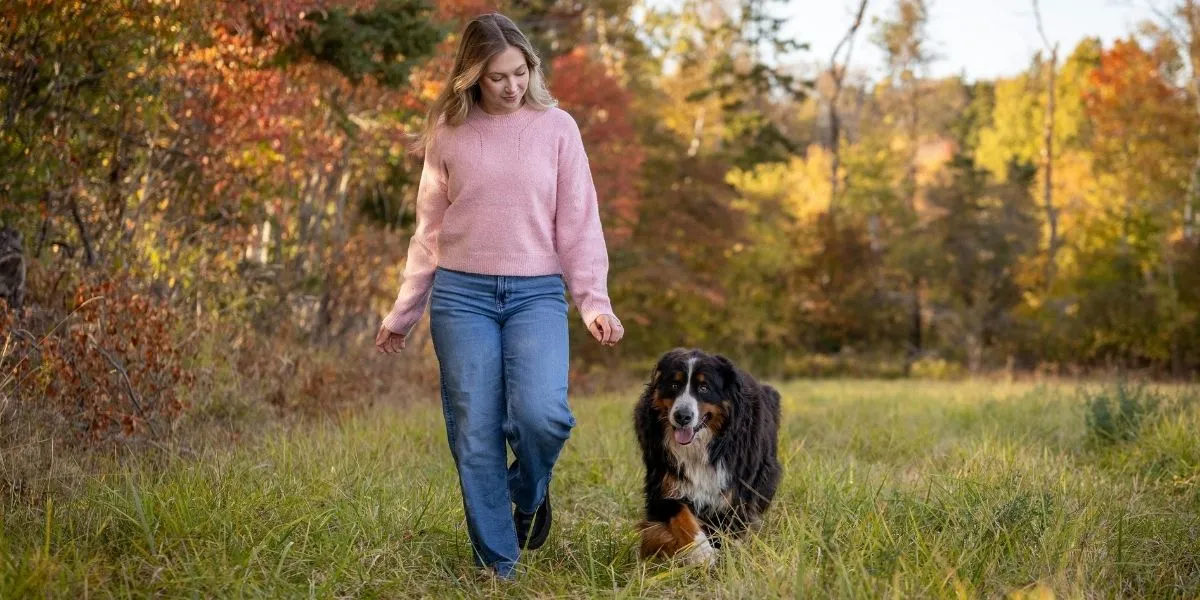
Take your dog out for their walk earlier in the day, before it gets dark. A familiar walking route is best, as sticking to a routine can help your dog feel calm and secure.
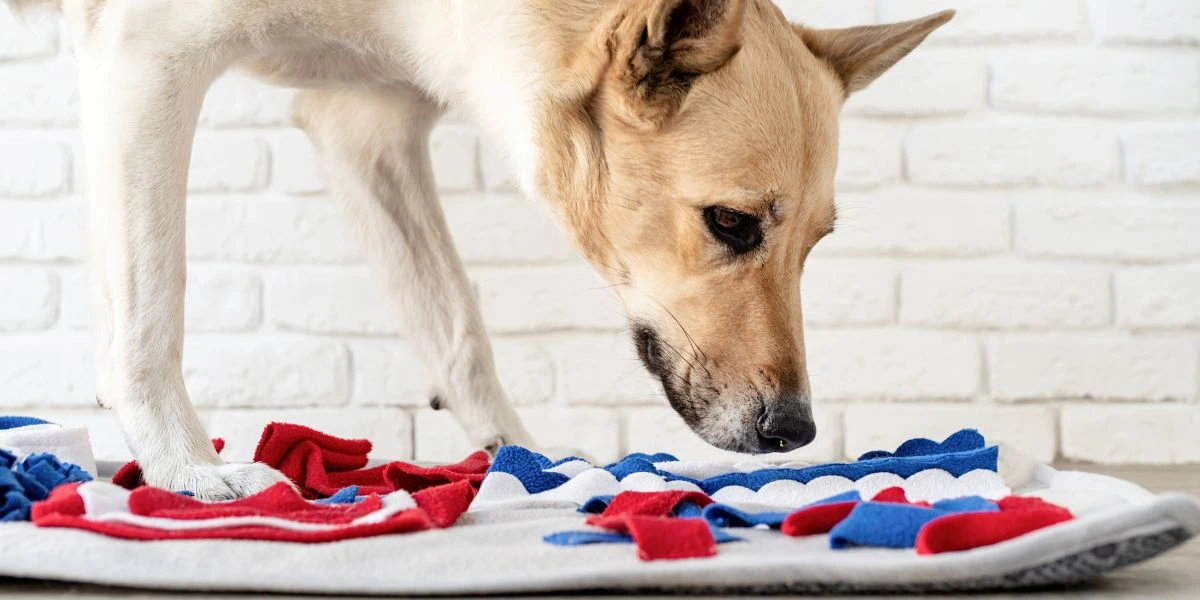
Give them plenty of time to have a good sniff and explore at their own pace.
Remember, quality is more important than quantity. A shorter walk with plenty of sniffing, exploring and mental enrichment can be more tiring and rewarding than a long walk without much stimulation. This will help tire their brain as well as their body, making them feel more settled for the evening.
Keep your dog indoors
Once it gets dark, keep your dog inside for the night and consider blocking off any exits to stop them from escaping.
Don’t rely on your garden being safe if your dog is frightened. A normally calm dog may suddenly try to escape when they hear a firework. If you absolutely must take your dog outside for toileting, consider using a long line to help prevent them from straying or bolting.
It’s also important to make sure your dog’s microchip details are up to date and that they are wearing an appropriate collar and ID tag. This means if they do manage to escape, there’s a much better chance of being reunited.
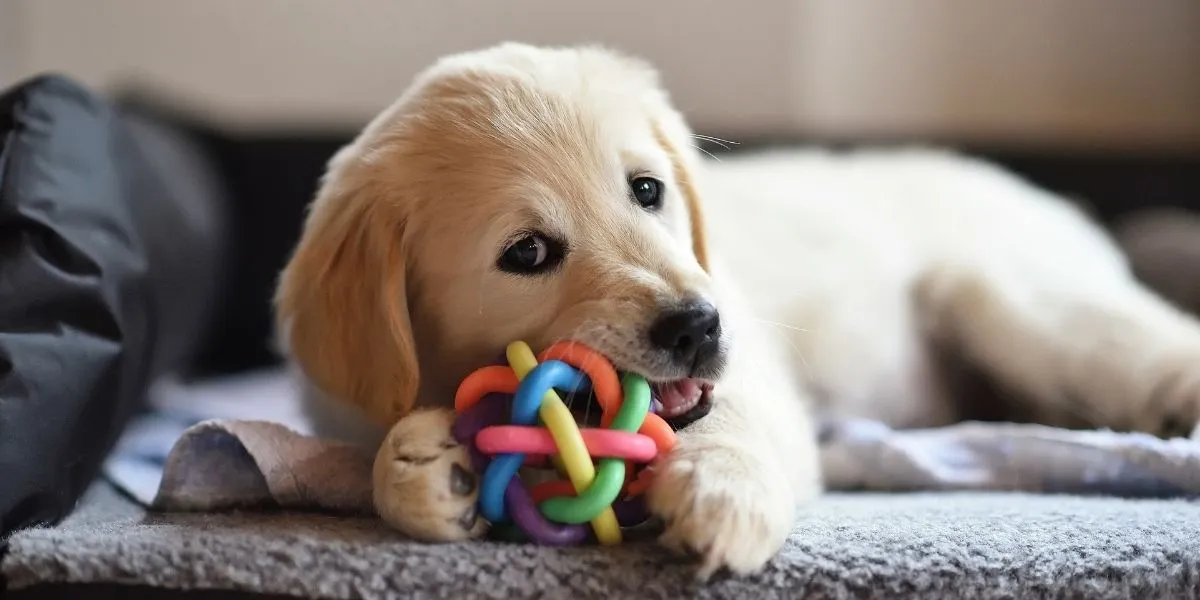
Make sure you keep them occupied indoors during the evening. Give them a snuffle mat or a stuffed Kong to chew on. It’s a good idea to get them busy with these well before the displays are likely to start, so they are already distracted and settled when the fireworks begin.
Create a safe place
Give your dog somewhere they can retreat to when they feel worried. This may be their usual bed, a quiet corner of the house, or somewhere they have chosen themselves. You could also consider a crate covered with a blanket, or moving some furniture to create a cosy hiding place.
Keep their space comfortable with familiar blankets, bedding and toys close by. Familiar smells and belongings can help your dog feel like it’s just a normal night and reassure them that everything is the same. You could also place an item of your clothing, such as a worn T-shirt, nearby, as your familiar scent can be comforting.
We’d recommend creating your dog’s safe space well in advance of Bonfire Night, so they have plenty of time to get used to it. Introduce the space gradually and build a positive association by placing treats, chews or food inside. Over time, your dog should learn that their safe space is a place where good things happen.
The safe space must always be a choice, not a punishment. Never shut your dog or force them to stay in their safe space. Allow them to come and go as they please.
Your idea of the perfect cosy den might not be your dog’s idea. If your dog decides somewhere else is better, work with them rather than trying to move them. For example, if they’ve found a space under the dining table, you could drape a blanket over the table to make it feel more secure, while keeping their familiar bedding or a favourite toy nearby.
Keeping their environment and routine as normal as possible can help too. Sudden changes may add to their uncertainty when they are already feeling worried.
Let your dog choose
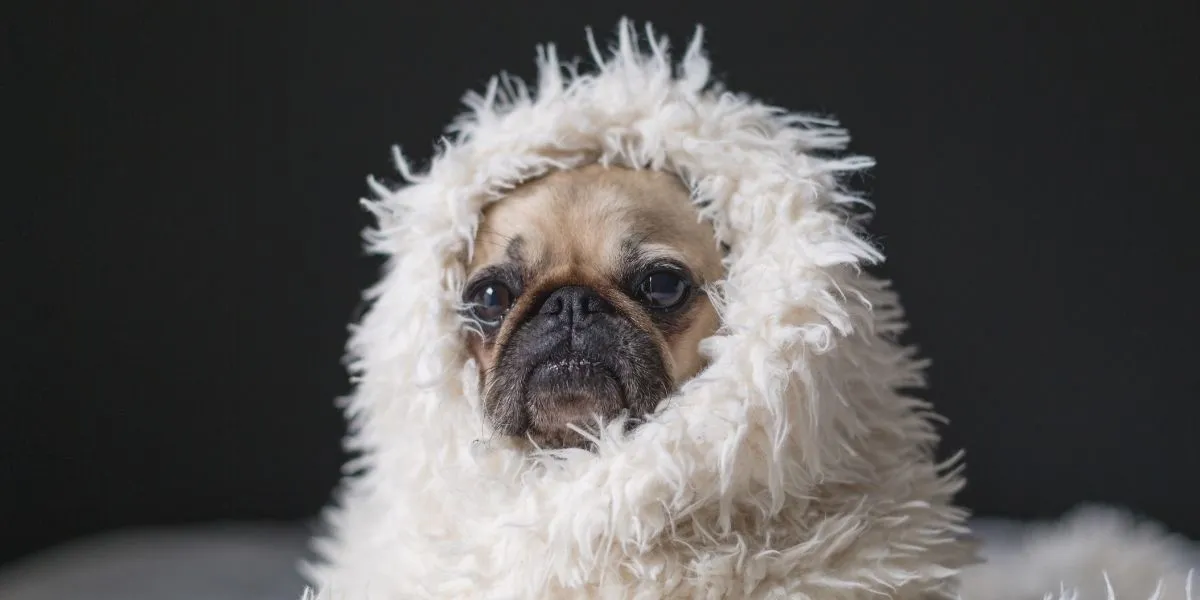
Dogs will gravitate to a specific area in your home, and if they’re scared, let them go wherever they want to hide.
Hiding is a coping mechanism, and it gives them a sense of safety and control. They will come out when they’re ready.
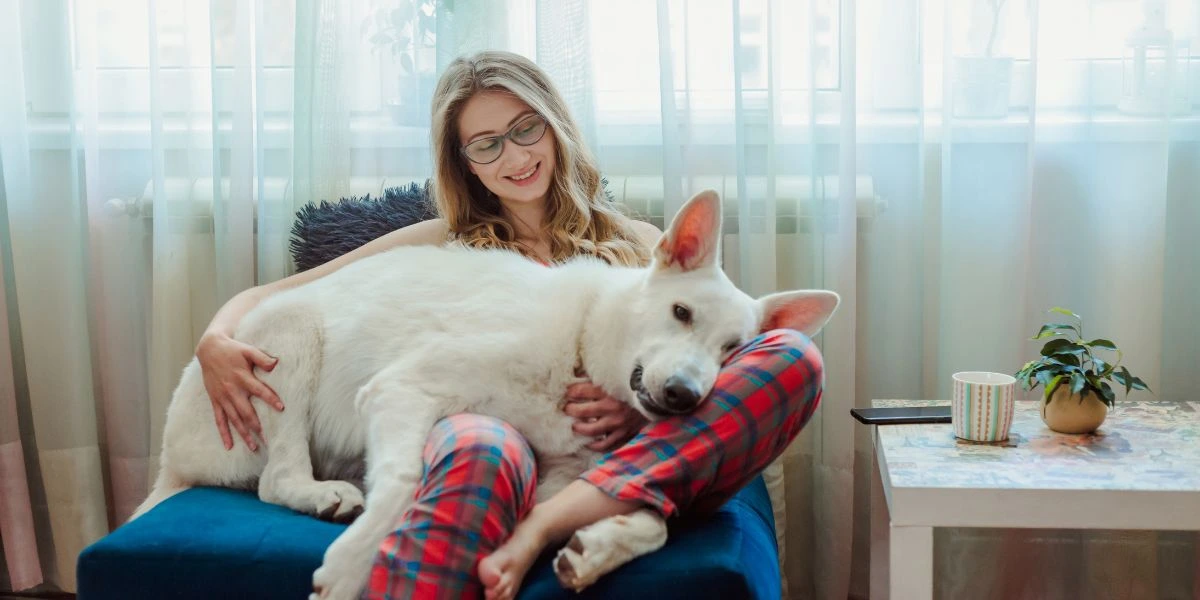
You may actually find your dog is trying to seek comfort from you. If they do, it’s fine to give them some gentle reassurance.
Previously, the advice was to ignore a frightened dog, but new studies have shown that this isn’t the case. Calm reassurance is a good thing and is encouraged if your dog seeks it from you.
Try not to overwhelm your dog with too much fuss or attention, as this can sometimes increase their worry. Instead, stay calm and relaxed and let your dog guide you. If they come to you for reassurance, offer gentle comfort and support, but allow them to move away or settle on their own when they choose.
Shut out the flashes and noise
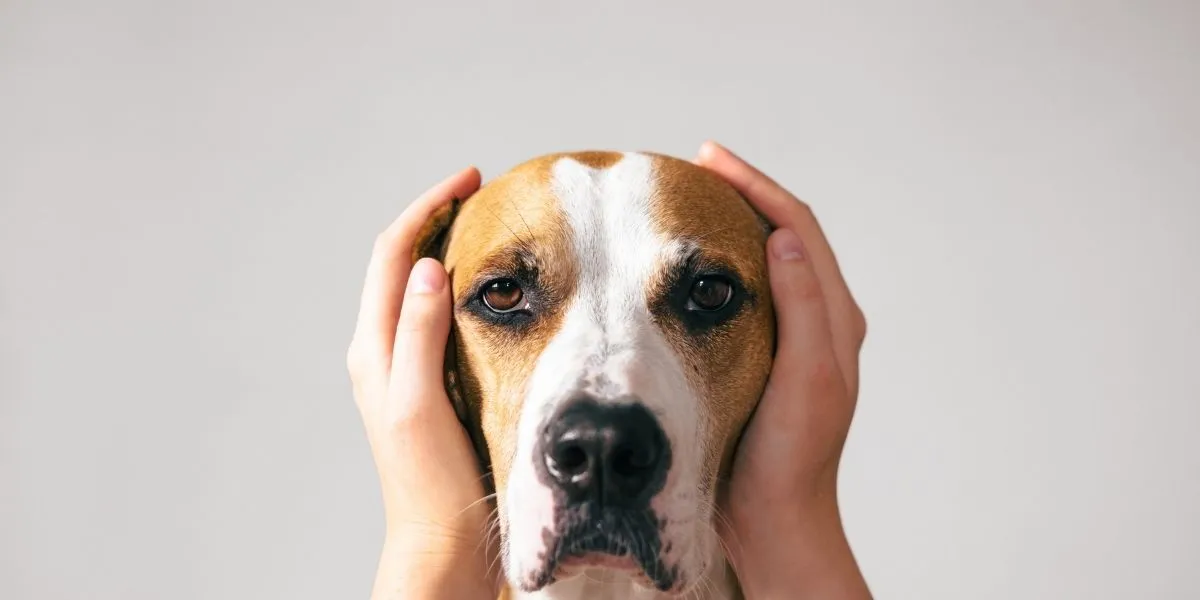
Fireworks aren’t just frightening because of the sound. There are also the sudden flashes of light that can be startling.
Before the fireworks begin, walk around the house and close all the curtains and blinds.
Some background noise is also a good distraction to help mask some of the bangs, such as turning on the TV or radio.
Classic FM runs a programme on Bonfire Night that you can listen to live, and they also have a Pet Classics playlist so you can play it at any time.
Just last year, Magic Classical partnered with Dogs Trust to create a dedicated radio station too.
But remember, not all classical music is good for dogs, especially because of all the different tones. Some dogs may prefer music with a steady rhythm or a consistent background sound. We’ve heard that quite a few dogs like a bit of Reggae!
The important thing is to find something your dog is comfortable with and don’t turn the volume up excessively to try to drown out the fireworks. This may just create another source of stress.
Consider pheromones and calming products
You can purchase calming products that may help some dogs manage firework anxiety. These can include pheromone products, calming supplements and other nutraceuticals.
They are not a cure for anxiety, but they may form part of a wider plan alongside behavioural and environmental management. They generally work best when introduced before the fireworks are expected.
There are different options available, including plug-in diffusers, sprays, collars and supplements, and what works for one dog may not work for another. It’s always best to speak to our team first so we can help you choose the most suitable option for your dog.
If buying calming products online, make sure you purchase from a reputable source, as counterfeit or poor-quality products may not contain what they claim to and could potentially be harmful.
Calming coats and body wraps
Some dogs find specially designed calming garments or pressure wraps, such as Thundershirts, helpful during fireworks. These provide gentle, even pressure around the body, which some dogs find reassuring.
If you have one to try, introduce it when your dog is relaxed and well before Bonfire Night. Give them time to become familiar with wearing it rather than putting it on for the first time when the fireworks start. Otherwise, they may associate the garment with the frightening experience.
Remember, calming coats don’t work for every dog. What may look like a dog becoming calm could actually be a dog freezing with fear. Your dog should always be able to move freely and should never be forced to wear something that makes them more uncomfortable.
Consider your dog’s diet
There is a growing understanding of the relationship between nutrition, gut health and behaviour, and some complete diets have been specifically formulated with ingredients that may support dogs who are prone to anxiety.
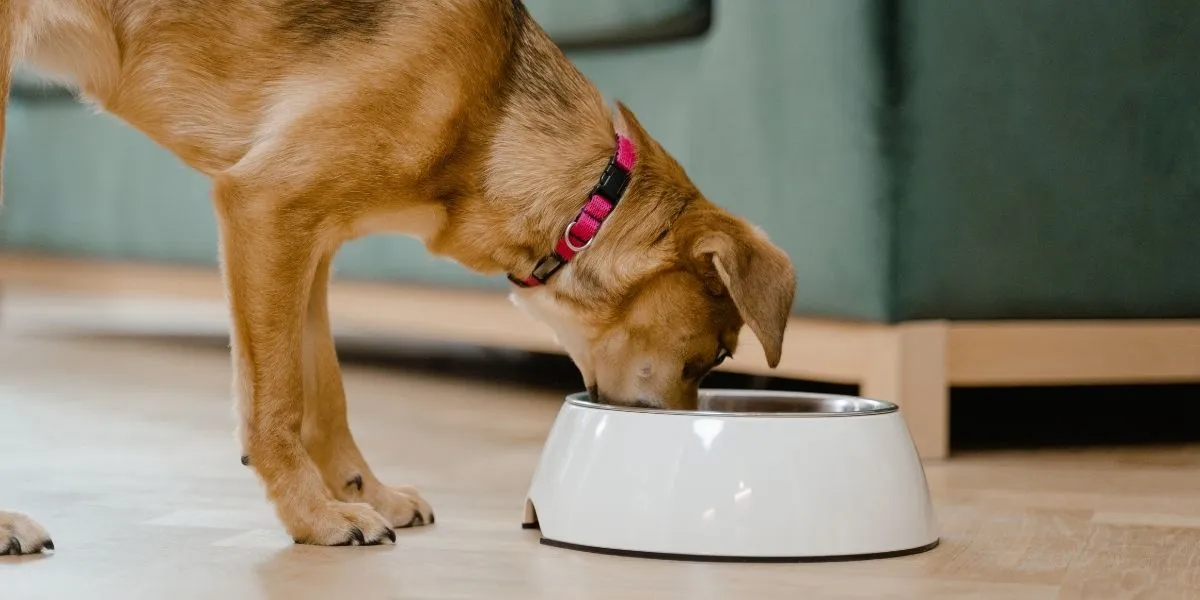
Consider feeding your dog a little earlier on Bonfire Night. It can give them the time and space to eat in peace, then they can digest their meal and go to the toilet before the displays begin.
What does firework anxiety look like in dogs?
Here at Aldgate, we believe it’s so important that all dog owners get clued up on how they can start recognising the signs of fear and anxiety in dogs.
The early signs of dog fireworks anxiety are often quite subtle, but watch out for these:
- Hiding or withdrawing
- Staying unusually close to you
- Lowering their body posture
- Tucking their tail
- Panting when they haven’t been exercising
- Lip licking or repeated swallowing
- Excessive salivation
- Pacing or being unable to settle
- Becoming reluctant to go outside
- Becoming unusually alert to sounds
- Changes in appetite
- Trying to find somewhere to hide
- Taking longer than usual to recover after a noise
It’s also worth remembering that dogs can learn to predict things that they associate with frightening events. For example, some dogs can become alert to changes in the environment before a thunderstorm, or may start to react to the smell of smoke from a log burner.
The same can happen with fireworks. Your dog may begin to recognise cues that fireworks are coming, such as changes in their usual routine, or particular sounds and smells in the environment. This means they may start showing signs of anxiety way before Bonfire Night.
Why are dogs afraid of fireworks?
Fireworks are loud, sudden and unpredictable. Your dog doesn’t know when the next bang is coming or understand why it is happening. The flashes of light are also startling, particularly when they appear suddenly through a window.
Some dogs are naturally more sensitive to noise than others, and previous frightening experiences can also contribute to their fear of fireworks.
Dogs don’t always suddenly become frightened on the night itself. Some begin showing subtle changes in behaviour as autumn progresses.
Changes in the weather, darker evenings, unusual smells, or changes to their normal routine can all become associated with something they have previously found frightening.
Helping puppies through their first fireworks
If you have a new puppy, their first firework season is an important opportunity to create positive associations and help prevent them from developing a fear of fireworks.
We’d recommend starting with some gentle sound desensitisation well before fireworks are expected. Introduce your puppy to quiet firework sounds at random times, rather than only when they are eating or playing. Keep the volume very low to begin with and make sure they remain relaxed and comfortable.
Over time, you can gradually increase the volume, but only while your puppy remains calm. If they show any signs of worry, reduce the volume or stop and try again another time.
You can also introduce a safe den, enrichment activities and background sounds before the real fireworks begin, helping your puppy learn that these are all normal and positive parts of their environment.
If you choose to pair firework sounds with food, use a high-value reward that your puppy really enjoys. The aim is to build a positive association with the sound, without overwhelming them.
What about prescription medication?
Prescription medication may be appropriate for dogs with more severe firework anxiety. This should always be discussed with one of our veterinary surgeons, who can assess your dog and decide whether medication is suitable as part of their individual anxiety management plan.
Please get in touch with us at least three weeks before Bonfire Night. This gives us enough time to assess your dog, prescribe and dispense any medication where appropriate, and allow you to trial a dose on a quiet day before the fireworks begin.
If you’re unsure what’s best for your dog, give us a call or book an appointment with one of our vets. We can help you choose the most appropriate approach for your pet.
How do I know if my dog needs medication for fireworks?
Your dog may need medication if they display signs of severe distress. These signs can include:
- Intense shaking
- Heavy or persistent panting
- Excessive drooling
- Frantic pacing
- Trying desperately to escape
- Scratching or chewing through doors
- Dangerous or destructive behaviour
- Injuring themselves while attempting to escape
- Refusing food or water
- Hiding and crying or howling for prolonged periods
- Taking a very long time to recover after the fireworks
Worried about your dog’s fireworks anxiety?
Our biggest tip we can give dog owners is to start preparing early. If your dog was frightened last year, there’s a good chance they may be frightened again this year, and their anxiety may have become more severe.
If you need more advice, get in touch with our team. The sooner we can assess your dog and help you create a plan, the more options we have to help them get through this Autumn and Winter.