When Jet the terrier was enjoying a countryside walk while holidaying in North Yorkshire, she was bitten by an adder on her face and had to be rushed to Aldgate Vets.
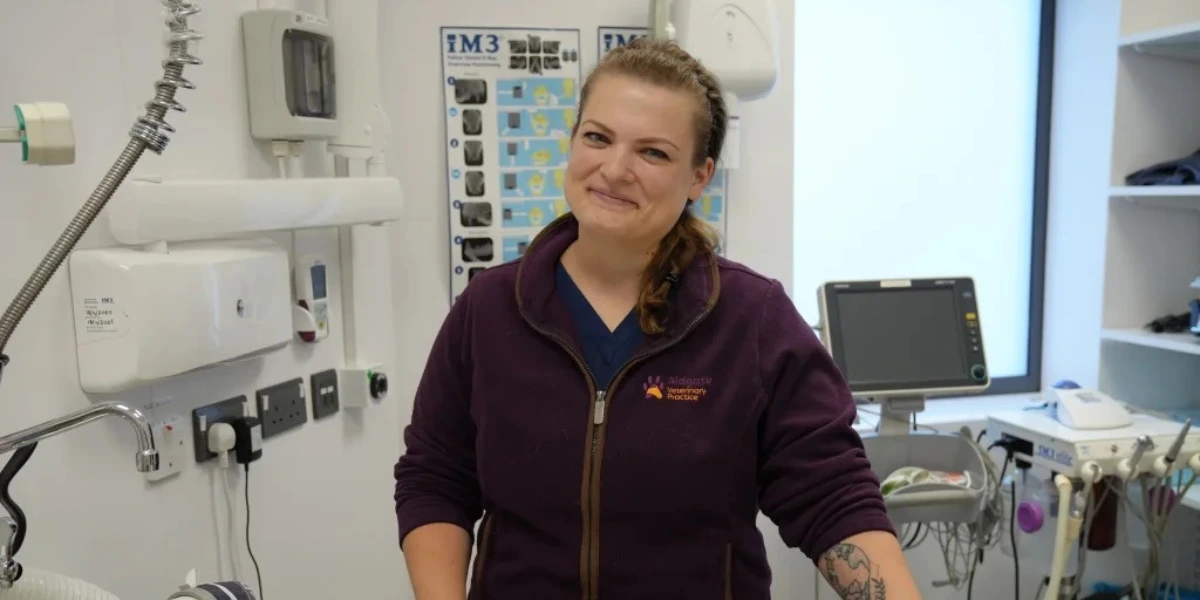
Jet’s owners, Jonathan and Anita Matthews, initially thought she may have encountered a grass snake, but within an hour, her face and body began to swell and she showed signs of shock. They rushed her to the vet, where Josh Smith and the Aldgate Vets team began treating her.
Jet’s story highlights how quickly an adder bite can become serious and why seeking veterinary attention immediately is so important.
Jet’s adder bite: Case study
Jet was bitten on the face while walking with her owners in North Yorkshire.
By the time she arrived at Aldgate Vets on a Sunday evening, the swelling was developing rapidly.
“Jet’s face swelling was rapid. She immediately had to go on a drip and get pain relief. It was quite severe; it went down her neck and onto her belly. Even her legs were swollen and puffy.
“We monitored her closely and initially the swelling went down. But bruising appeared. “We were doing regular bloods to see clotting times and by day 4, her red blood cell count had dropped significantly and her liver parameters elevated.
“At this stage, we were concerned and needed to speak to the Veterinary Poisons Information Service to get advice. This was highly valuable and we learnt a lot from this service.”
However, despite this, Jet remained bright and responsive.
Treating Jet with antivenom
Because Jet was showing active signs that the venom was affecting her, Josh and the team decided that antivenom was needed. The team contacted the Veterinary Poisons Information Service (VPIS) for specialist advice and continued to closely monitor her condition.
The medication wasn’t immediately available at Aldgate, so the team contacted other veterinary practices to source a supply.
“Because Jet had active signs of venom causing issues, we needed to source antivenom medication,” Josh said. “This can be hard to get hold of, so we had to ring round practices but luckily were helped out by a practice in North Yorkshire. Legs and face are the most common areas to get bitten by an adder. It’s important to remember that adders tend to only bite if they are actively disturbed. In this case, Jet accidentally disturbed the adder and ended up being bitten.
“As soon as we got this antivenom medication into Jet, the swelling and blood issues reduced.”
Jet remained in the practice for several days so the team could continue monitoring her. Eventually, after almost a week of veterinary care, she was well enough to return home. “We were so pleased to be able to send Jet home after her treatment,” says Josh.
“Cases like this are always difficult to treat but the outcome for Jet has been positive. She has been a real fighter and we are sure she will be enjoying her North Yorkshire walks again soon.”
How common are adder bites in dogs?
Adder bites are relatively uncommon, particularly because adders are shy and generally avoid people and dogs.
Josh said: “This isn’t something we see lots of. When we do see these cases, we often see swollen limbs or swollen faces, depending on where they’ve bitten.
“They’re not very common because adders aren’t particularly aggressive snakes. They only tend to bite if they feel threatened. They usually occur if a dog accidentally stands on them or sticks its head in the bush and gets bitten by accident.”
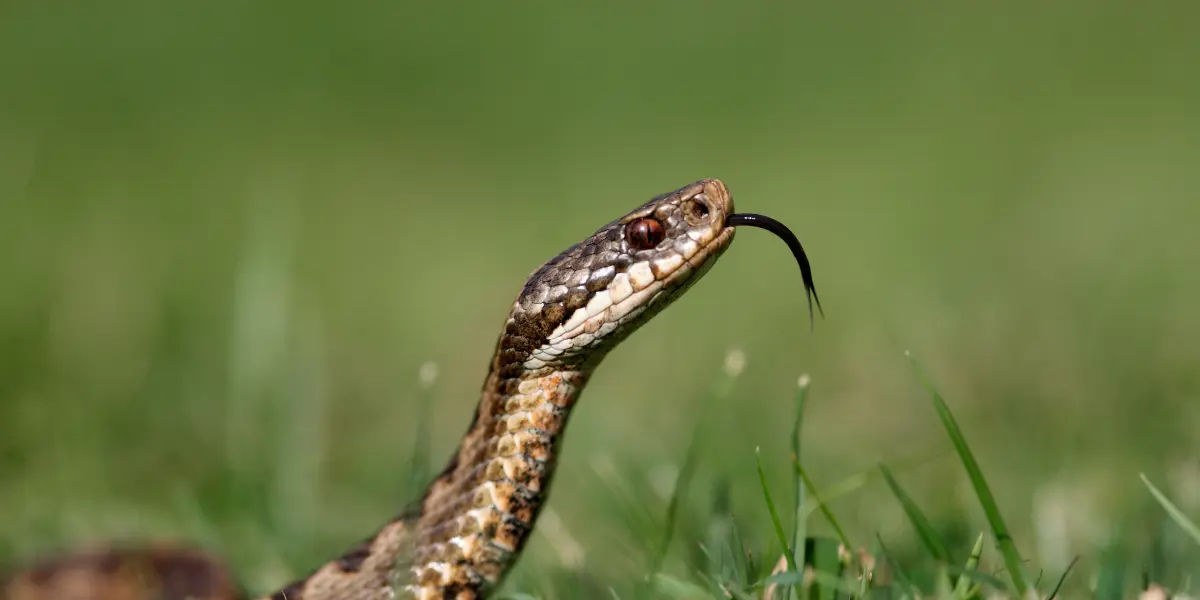
Adders are the UK’s only native venomous snake, but they generally bite as a defensive response rather than actively seeking out people or animals.
What are the signs of an adder bite?
One of the most obvious signs is rapid swelling around the area of the bite. This can be particularly noticeable if a dog has been bitten on the face or legs.
“Usually we see a big swelling develop in the bite area, and then we might go on to see changes around the body, blood abnormalities and clotting problems,” says Josh.
“It can be a very serious condition when it does happen. Fatalities are rare, but they do occasionally happen.”
A dog may also become lethargic, weak or show signs of shock. In some cases, more serious complications can develop as the venom affects the body’s systems.
Why can an adder bite to the face be particularly dangerous?
While any adder bite should be taken seriously, bites to the face can be particularly concerning because of the potential for significant swelling.
Swelling around the head and neck can potentially affect the airway, which is one of the reasons veterinary treatment should not be delayed.
Adder venom can also cause effects beyond the initial bite site, which is why vets may need to monitor a dog’s blood results, clotting and organ function.
What do I do if my dog is bitten by an adder?
The risk of your dog being bitten by an adder is low, and most dogs that are bitten recover with veterinary treatment.
If your dog is bitten, don’t attempt to treat the wound yourself and don’t wait for their condition to deteriorate. Seek veterinary attention straight away,” says Josh.
“You may see the bite happen, but you may not. If they are in long grass/ woodland and suddenly yelp, this could signal an adder bite. Pet owners need to understand that adder bites are very serious and they should seek veterinary care immediately.
“While out on your walk, keeping the dog as still and calm as possible may help limit the spread of venom, so if you can safely carry them, do so. If you are able to, carry your dog to the car to stop the venom being pumped around the body as fast. Fast action is important and in the case of Jet, saved her life.”
If you suspect an adder bite:
- Contact your vet immediately.
- Keep your dog calm and as still as possible.
- Carry your dog to the car if you can do so safely.
- Don’t try to suck venom from the wound.
- Don’t apply creams or other substances to the bite.
- Don’t use a tourniquet.
- Don’t wait to see if symptoms get worse before seeking help.

What do I do if my dog is bitten on the face?
If your dog is bitten on the face, it can cause a number of serious issues, therefore is a veterinary emergency.
“We worry more about the face as the amount of swelling can increase rapidly. There is a risk of closing off airways, so it is particularly important to get your pet treated immediately.”
Where are adders found?
Adders like open, sunny habitats such as rocky, chalky roads, heathlands, moorlands, grasslands, dunes and woodland.
In East Yorkshire, adders have been seen at Tophill Low Nature Reserve, near Driffield. And in North Yorkshire, the North York Moors provide ideal ground for them, so they have been spotted here, too. But generally, they can be found anywhere with grassland!
Why can an adder bite be dangerous?
Adders are the UK’s only venomous snake. The venom they release when they bite is poisonous, which can lead to blood clotting, airway closing up, organ failure, and shock, if left untreated.
Venom can affect every organ system. Cases can range from localised swelling and reaction to severe clotting issues and liver and kidney failure.
“We have treated dogs with adder bites on their legs. In one case, the leg swelled up so much that the skin sloughed off.
“It’s important to remember that most cases are quite mild though, and very rarely do we get a fatality from an adder bite.”
What time of year do adder bites happen?
Adder bites are more likely in spring and summer because in the spring time, adders come out of hibernation and as they are unlikely to have eaten anything over winter, they emerge from hibernation with built up venom reserves in their system. Plus, spring is also the breeding period, meaning male adders can become particularly active as they seek females, increasing movement and encounters.
During this time of year, adders also bask. After being inactive through colder months, they spend time basking in sunny spots to raise their body temperature.
This doesn’t mean that adder venom is more dangerous in spring. Rather, increased adder activity, combined with more people and dogs enjoying the countryside, can mean there is a greater chance of an encounter.
24/7 emergency veterinary care
Aldgate Vets’ Bridlington practice provides 24/7 emergency veterinary care, with a dedicated team available day and night.
If you suspect your dog has been bitten by an adder, contact Aldgate Vets immediately.
Aldgate Vets Bridlington: 01262 677269
Aldgate Vets Driffield: 01377 252087