As the festive period approaches, some people settle down for the winter, while others use this opportunity for a winter break to escape the cold or visit family and friends. If you’re planning to travel with your pet this Christmas, a little preparation can make all the difference to ensure a safe, comfortable journey for everyone.
Here are our top tips on how to travel safely with your pet over Christmas.
Check Vaccinations Are Up to Date
While not all vaccinations need to be up to date for every trip, understanding what’s required for your specific journey is essential. The requirements vary significantly depending on whether you’re travelling within the UK or going abroad.
For domestic travel within the UK: While there’s no legal requirement for vaccinations when travelling within the UK, many accommodation providers, boarding facilities, and pet-friendly venues require proof of up-to-date vaccinations before allowing your pet on their premises. It’s worth checking these requirements when booking.
For international travel: For international travel, rabies vaccination is mandatory. Your pet must have a valid rabies vaccination at least 21 days before travel. This is a legal requirement that cannot be waived.
Depending on your destination country, additional vaccinations may also be required, such as:
- Distemper
- Parainfluenza
- Bordetella (kennel cough)
- Parvovirus
Check the specific requirements for your destination country well in advance of your trip. Different countries have different rules, and failing to meet them could result in your pet being refused entry or placed in quarantine.
If you’re unsure what vaccinations your pet needs for your planned destination, give us a call.
We can check your pet’s vaccination record and advise on what’s required for your specific journey. It’s better to confirm this well in advance rather than discovering at the last minute that additional vaccinations are needed.

Travelling Abroad? Know the Legal Requirements
Planning to take your pet overseas for the holidays requires extra planning and preparation. If you’re travelling abroad with your pet, the rules vary depending on your destination. For travel to EU countries and many other destinations, your pet will need:
- A microchip – This must be implanted before the rabies vaccination
- A valid rabies vaccination – Your pet must be at least 12 weeks old, and the vaccination must be given at least 21 days before travel
- An Animal Health Certificate (AHC) or pet passport – Valid for a single entry to the EU and return to the UK within 4 months
- Tapeworm treatment (for dogs only) – Required 1-5 days before entering certain countries
Different countries may have additional requirements, so it’s crucial to check the specific rules for your destination well in advance. Some preparations, like rabies vaccinations, need to be done weeks before travel, so don’t leave it to the last minute.
We can help you navigate these requirements and ensure all necessary documentation is in order. Contact us at least 6-8 weeks before your planned travel date to allow time for all procedures.
Secure Medication and Prescriptions
If your pet is on regular medication, running out while you’re away can cause serious problems. If your pet is on medication, make sure they have enough to last while you’re away. Simply call us ahead of your trip to arrange your pet’s prescription.
Consider the following:
- Calculate exactly how much medication you’ll need, plus a few extra days’ worth in case of delays
- Request refills early to avoid any last-minute shortages
- Keep medication in its original packaging with clear labels
- Carry a copy of the prescription, especially if travelling abroad
- Store medication appropriately during travel (some may need refrigeration)
For pets with chronic conditions like diabetes, epilepsy, or heart disease, it’s especially important to have more than enough medication and to keep it easily accessible during your journey.

Safe Travel by Car: Restraint and Regular Breaks
If you’re driving to your destination, your pet’s safety should be a top priority. Unrestrained pets can be a dangerous distraction to drivers and are at serious risk of injury in the event of sudden braking or an accident.
Keep your pet properly restrained:
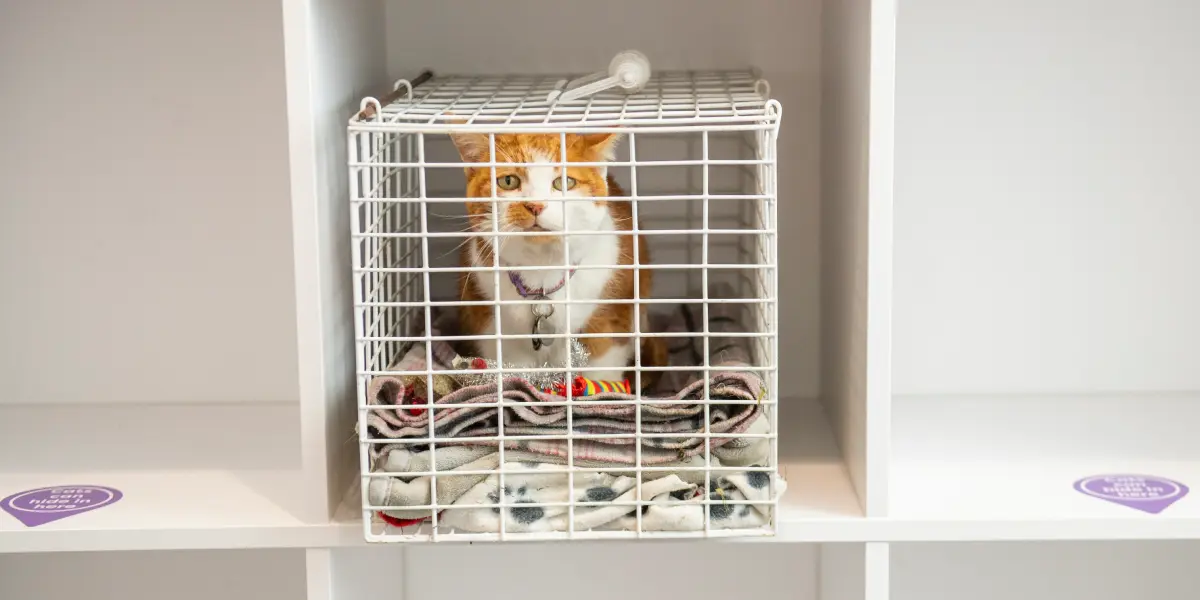
- Use a crash-tested pet carrier secured with a seatbelt
- Invest in a quality pet seatbelt harness
- Install a car barrier to keep pets in the rear of the vehicle
- Never allow pets to travel in the front seat or on a passenger’s lap
Make regular stops: Long journeys can be stressful and uncomfortable for pets. Plan to stop every 2-3 hours to allow your pet to:
- Stretch their legs
- Have a drink of water
- Go to the toilet
- Get some fresh air
Never leave your pet unattended in the car, even for a short time. During winter, cars can become dangerously cold, and pets can suffer from hypothermia.
Essential Items to Pack for Your Pet
Just as you pack your own essentials for a trip, your pet needs their own travel kit. Don’t forget to pack everything your pet will need for a comfortable trip:
Food and water:
- Enough of their regular food for the entire trip (sudden diet changes can cause upset stomachs)
- Portable food and water bowls
- Bottled water if travelling abroad (to avoid stomach upsets from unfamiliar water)
Comfort items:
- Their favourite blanket or bed
- Familiar toys to reduce anxiety
- A piece of your clothing (your scent can be comforting)
Health and hygiene:
- Any medications and copies of prescriptions
- First aid kit for pets
- Waste bags for dogs
- Litter and portable litter tray for cats
- Grooming supplies
Documentation:
- Vaccination records
- Pet insurance details
- Microchip information
- Your vet’s contact details
- Details of emergency vets at your destination

Consider Your Pet’s Temperament
Not all pets are natural travellers, and it’s important to be realistic about how your pet will cope with a journey. Some pets experience travel anxiety or motion sickness, which can make the journey stressful for everyone.
If your pet tends to be anxious or gets car sick:
- Speak to us about anti-anxiety medication or travel sickness tablets
- Try shorter practice trips before the big journey
- Ensure good ventilation in the car
- Avoid feeding immediately before travel
- Consider using calming sprays or pheromone diffusers
For some pets, especially cats or those with severe anxiety, boarding or a pet sitter at home might be a less stressful option than travelling.
Plan Your Accommodation
Before you book, confirm that your accommodation is genuinely pet-friendly and understand any restrictions or additional charges. Check:
- Size or breed restrictions
- Additional pet fees or deposits
- Where pets are allowed within the property
- Nearby walking areas or pet facilities
- Local veterinary services in case of emergency
We’re Here to Help at Aldgate Vets
Travelling with your pet over Christmas can be a wonderful experience when you’re properly prepared. The key is to plan ahead, ensure all health requirements are met, and pack everything your pet needs to stay comfortable and safe throughout the journey.
If you have any concerns about your pet’s fitness to travel or need advice on medications, vaccinations, or travel health certificates, don’t hesitate to contact us. We’re here to help make your festive travel plans as smooth as possible for both you and your furry companion.
Wishing you and your pets safe and happy travels this Christmas!