Deciding whether to neuter your pet is one of the most important health choices you’ll make as a responsible owner. Neutering your pet not only helps prevent unwanted litters but also offers a range of health and behavioural benefits that can improve your pet’s quality of life.
In this blog, we’ll break down what is neutering, the benefits of neutering, and answer some of the most common questions pet owners ask about the procedure.
What is neutering?
Neutering is a general term used to describe the surgical procedure that prevents pets from reproducing.
In males, this involves castration, where the testicles are removed. In females, it usually refers to spaying, which involves removing the ovaries and often the uterus.
At Aldgate Vets, we also offer laparoscopic (keyhole) spaying, otherwise known as lap spaying, a minimally invasive alternative that uses smaller incisions, often resulting in less pain, quicker recovery, and reduced post-operative risks.
In everyday language, neutering is used regardless of sex, so when we talk about neutering a pet, we mean performing whichever surgery is appropriate for that animal to prevent reproduction.
What are the benefits of neutering?
Neutering isn’t just about preventing unwanted litters. It helps manage or reduce the risk of several health and behavioural conditions in pets. There are plenty of benefits to neutering your pet. We have listed a few below:
- Reproductive cancers and infections: In females, spaying greatly lowers the risk of uterine infections (pyometra) and ovarian or uterine tumours. In males, neutering eliminates the possibility of testicular cancer and reduces the risks of prostate disease.
- Hormone-driven behaviours: Intact males may roam, mark territory by spraying urine, display mounting behaviour, or show aggression. Neutering a dog or cat can help reduce or eliminate these behaviours.
- Unwanted pregnancies and overpopulation: By neutering your pet, you help prevent accidental litters, stray animals, and the burden on shelters and rescue organisations.
- Heat‑related issues in females: Female pets in heat may attract roaming males, vocalise or become restless, and may be at risk of complications. Spaying prevents these cycles.
- Better longevity and overall health: Studies suggest neutered pets may live longer and healthier lives compared to intact animals (less risk of certain diseases, less trauma from roaming, etc.).
So when a dog or cat is neutered, many of these benefits begin to take effect, reducing health risks and unwanted behaviours.

How much does it cost to neuter a pet?
The cost of neutering your pet depends on factors such as their size, sex, and the complexity of the procedure.
At Aldgate Vets, we provide clear, transparent breakdowns so you know exactly what’s included, from the surgery and anaesthesia to pain relief and follow-up care.
Our standard prices reflect the varying needs of different pets and procedures.
- Dog neutering (male castration) varies depending on your dog’s size, with larger breeds generally requiring a more involved procedure.
- Female spaying is typically more complex than male castration, and the level of care needed may increase with the size of the dog.
- We also offer laparoscopic (keyhole) spaying, a minimally invasive alternative to traditional surgery that offers a quicker recovery and reduced post-operative discomfort.
- For cats, both male neutering (castration) and female cat neutering (spaying) are routine procedures carried out under general anaesthetic.
For more information on pricing for neutering, visit our price list. However, because these figures can vary by individual case, based on breed, weight, or extra services like blood tests, pain relief, or monitoring, please contact us for an accurate, personalised quote tailored to your pet.
What is the best age to neuter a pet?
Determining when to neuter a kitten or puppy depends on breed, size, health, and veterinary advice. Below are general guidelines:
- For cats: Most vets recommend neutering around 4 months of age, once they’ve had necessary vaccinations and reached a healthy weight. This timing helps prevent unwanted pregnancies and unwanted behaviour.
- For dogs: Small breeds may be neutered from around 6 months. Larger breeds might benefit from waiting until skeletal maturity (12–18 months) to reduce risk of orthopaedic issues. Giant breeds we would advise waiting until 24 months. There are some breed specific variations to this.
- Some clinics perform early neutering (once kittens reach safe weight or age) in shelters to reduce unwanted litters
While the above is an accurate guide, you should always consult your vet when considering neutering your pet, as individual animals may have special considerations (e.g. health status, breed-specific risks). We will sometimes advise against neutering for individual dogs due to health or behavioural problems which could be adversely affected this is something to discuss with your vet.
Are there any side effects, and is the operation safe?
Like any surgical procedure involving general anaesthesia, neutering carries minimal risks.
However, it is one of the most common and well-practised procedures in veterinary medicine, and complications are rare when done properly.
Safety and risks:
- Monitoring during anaesthesia: heart rate, breathing, and oxygen levels are continuously checked.
- Post-operative care: pain relief, monitoring, and restriction of activity to mitigate complications.
- Risks are generally low (infection, bleeding, reaction to anaesthetic), but your vet will discuss them during consent.
- In some cases, minor weight gain may occur post‑neuter, so diet and exercise should be managed.
- There is no merit in letting a female have a litter first; doing so does not confer health benefits, but does bring risks.
Overall, the long-term benefits overwhelmingly outweigh the small procedural risks.
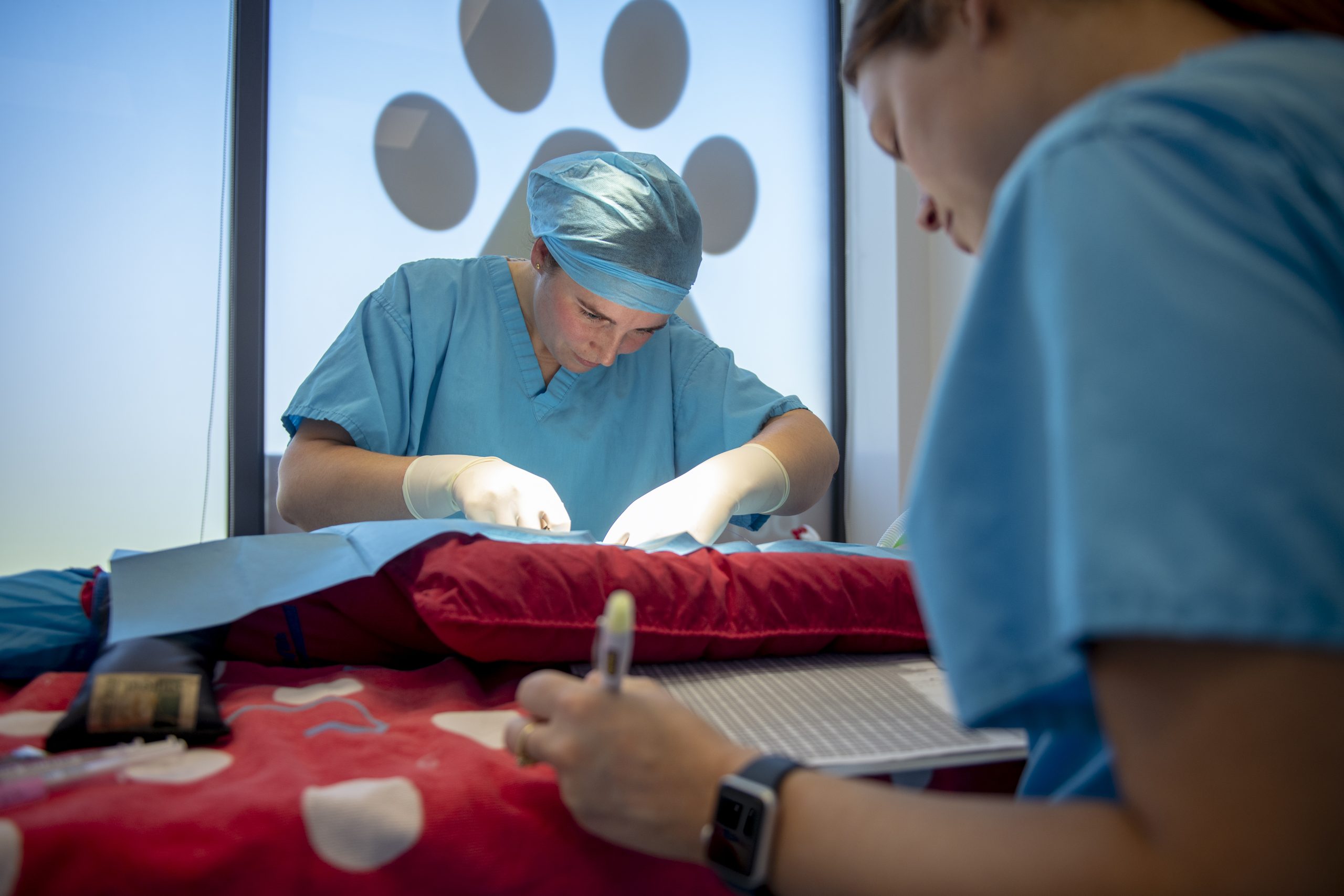
Committed to pet neutering with care
Neutering is a responsible and beneficial step that supports your pet’s long-term health, improves behaviour, and helps prevent unwanted litters. Neutering also plays a vital role in reducing overpopulation and easing the burden on animal shelters.
If you’ve already read about spaying on our Aldgate site, you’ll know how committed we are to safe, high‑quality reproductive care. To book a neutering consultation or find out more about timing, procedure, and cost, contact Aldgate Vets today.
Let us help your pet live a healthier, happier future free from the risks of reproduction and hormone‑driven conditions.
Book your neuter appointment at Aldgate Vets now and take the proactive step in safeguarding your pet’s well‑being.